Author: Bryce McAnally
-
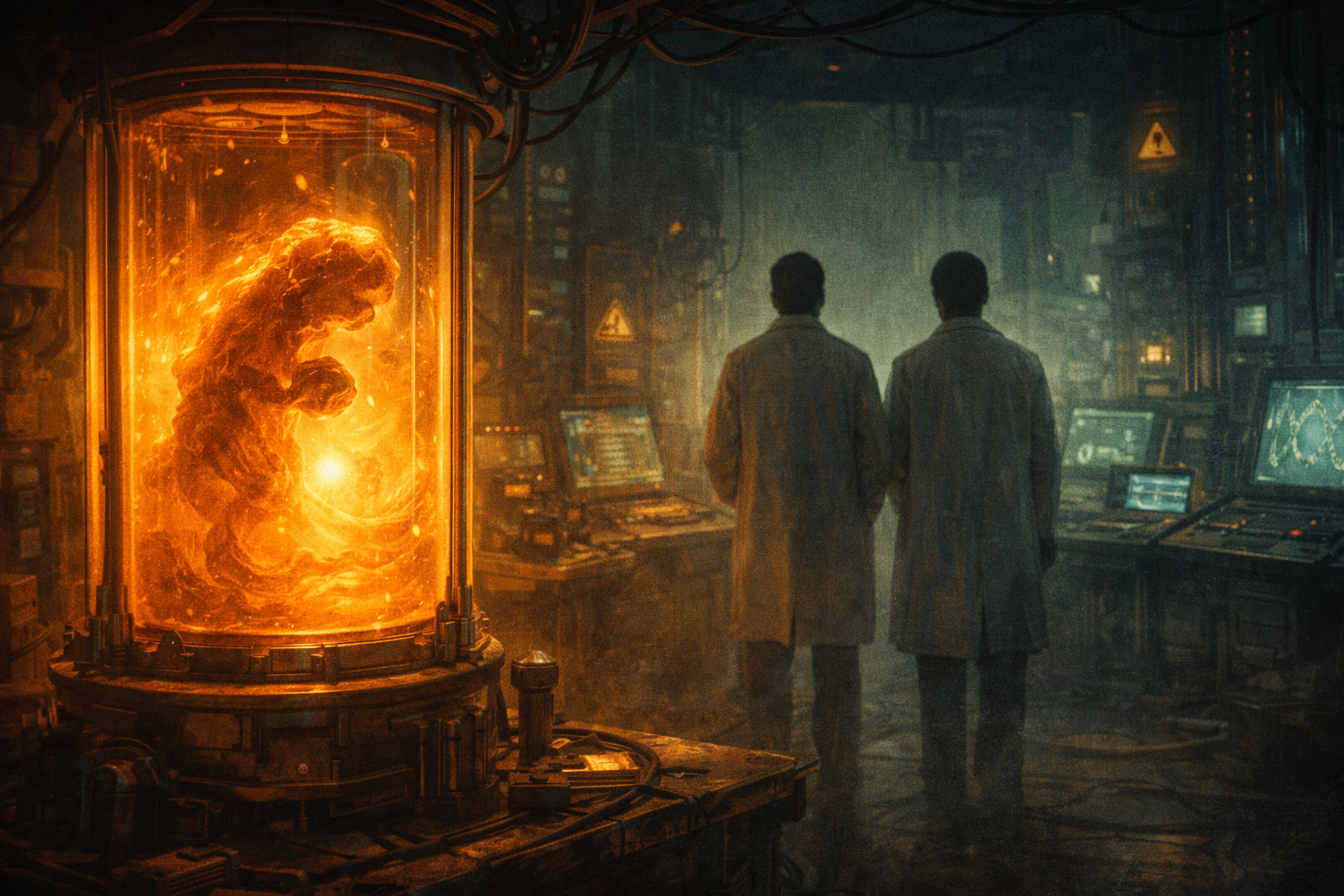
Jurassic Park Was Right
Science fiction has a specific job: to take something real, push it past its logical limits, and show you what breaks. Jurassic Park (1993) does that job better than almost any film I can think of. Thirty years later, it feels less like a dinosaur movie and more like a memo someone should have read…
-
Creative Practice #6: Who Are You Making This For?
In my professional life, I am obsessed with audiences. I think about them before a campaign brief is written. I think about what they need, what they believe, what they’re afraid of. I’ve spent eight years at Kaiser Permanente helping translate complex healthcare concepts into messages that actually reach people. Audience awareness isn’t a skill…
-

The Photo I Almost Didn’t Send
Last month marked 8 years at Kaiser Permanente. At our all-hands meeting, they celebrate work anniversaries with a slide. A photo. Your name. A number. I was asked ahead of time to send something. I have a professional headshot. It’s right there on my computer. Clean, appropriate, mostly resembles me on a good day. I…
-
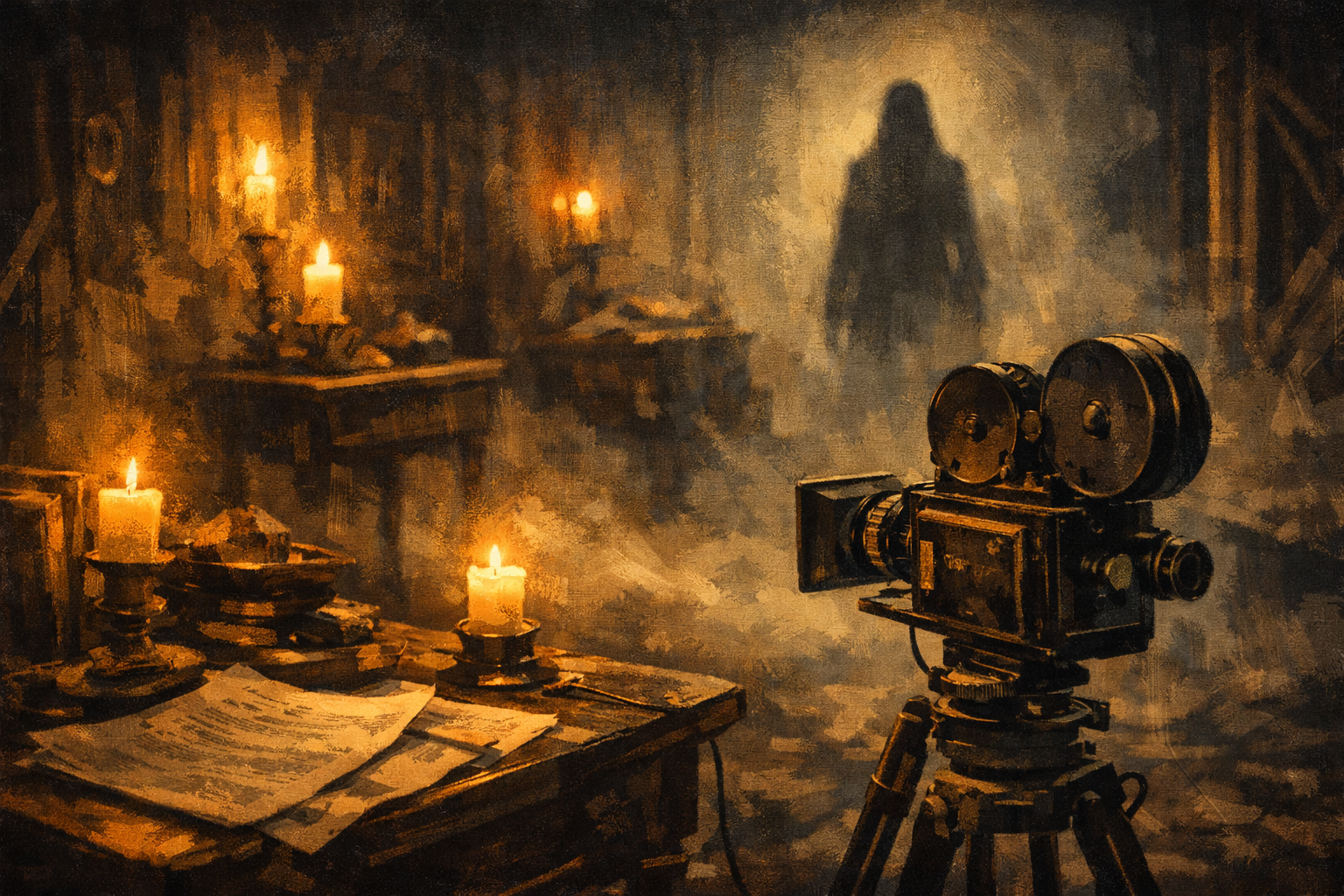
What Horror Is Actually Afraid Of
Most horror films give you a monster and ask you to be scared of it. Shadow of the Vampire gives you a monster and asks you to be scared of the person who hired it. The 2000 film, starring Willem Dafoe and John Malkovich, is built around a premise that sounds like a late-night comedy…
-

Creative Practice #5: Protecting the Whole
Good ideas can ruin a project. Not because they’re bad, but because they pull in the wrong direction. In advertising, a campaign can have strong individual executions across TV, digital, and social, and still feel like it was made by three different teams. When it works, the campaign just feels intentional. When it doesn’t, something…
-
How Movie Genres Change With History
Cinema and cultural history are inseparable. The films that dominate the box office in any given decade aren’t always the ones that define it. What film historians tend to remember, and what audiences often needed most, were the films that gave shape to the fears, hopes, and uncertainties of their time. The examples below were…
-

Why Liar Liar Changed My Mind About Jim Carrey
Jim Carrey has been back in the news after an appearance at a French awards show triggered online speculation that it wasn’t even him. A clone. A stand-in. A double. Absurd. And strangely on-brand. Carrey has always felt larger than his own frame. His face stretches past plausibility. His body folds into itself. He commits…
-

Creative Practice #4: Cutting What You Love
I once wrote what I thought was a brilliant ending to a psychological horror/thriller film I’ve been developing called What Lingers. It tied everything together. It left lingering doubt that the story was over. I could already see the final shot. The feedback I received was simple: “Meh.” No long explanation. No detailed notes. Just…
-

When I Realized I Was the Problem
“Bryce, you were being a total d*ck to everyone.” The feedback surfaced during a promotion conversation. I was informed our advertising agency lead had hesitations… not about my performance, but about how I treated people when things got tense. A year earlier I had been asked to step up while someone on my team was…
-
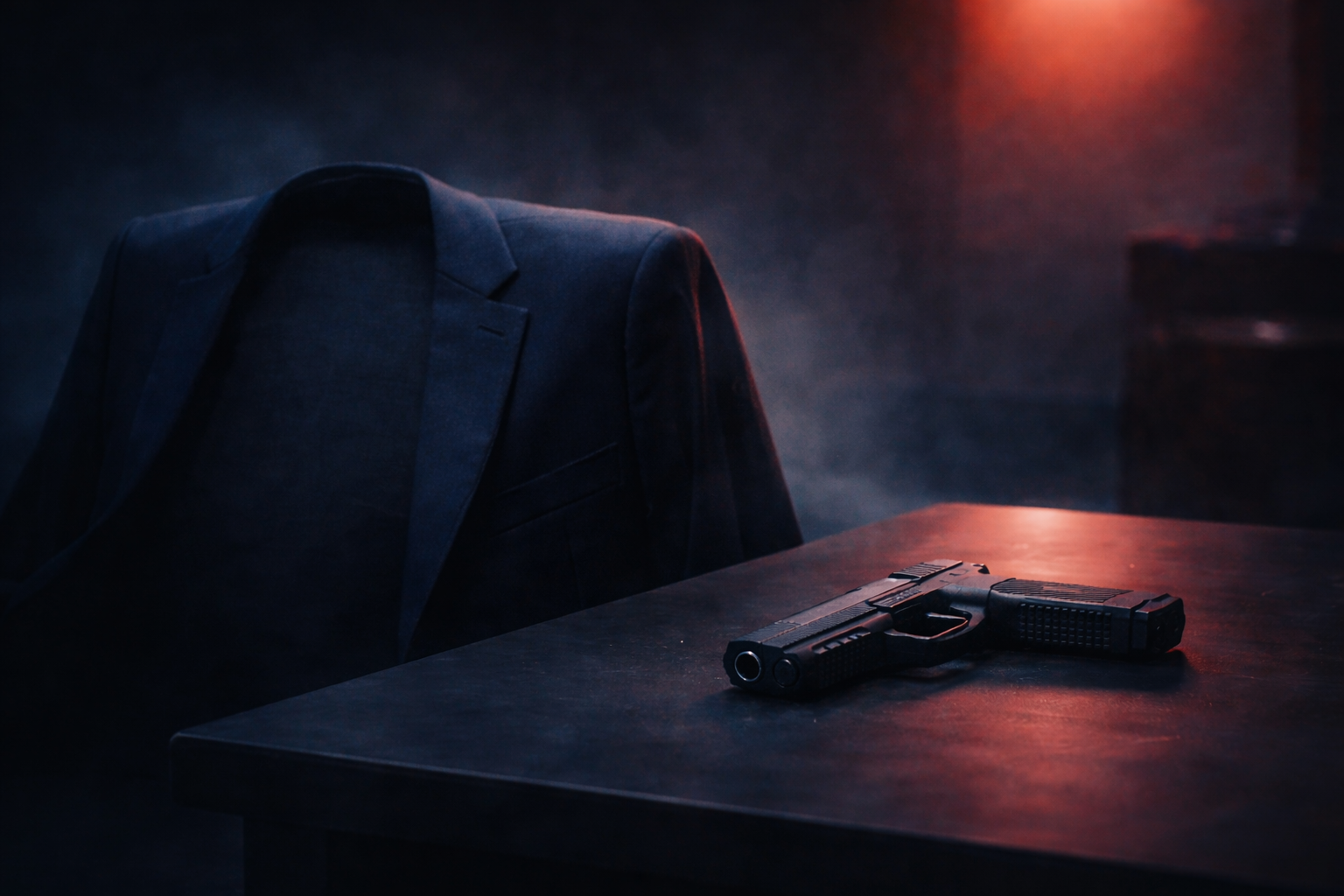
Why Action Lives or Dies by Its Rules
In previous Field Notes, I’ve explored how thrillers sustain tension through control and how romance earns belief through emotional alignment. Across genres, I keep returning to the same question: What makes an audience believe? Action answers it differently. It runs on rules. John Wick (2014) is a clear example. On paper, it borders on absurd:…